
The Essential Q388 Guide for Mastering Digital Audio Mixing in 2025
Understanding the Q388: Overview of Digital Mixing Consoles
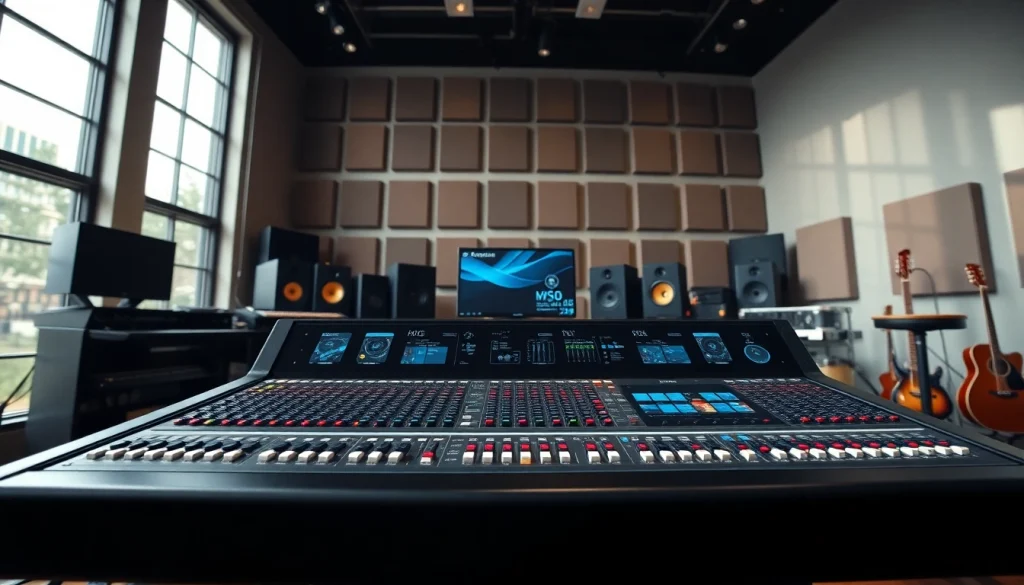
The Q388 digital mixing console is an advanced piece of audio technology that caters to the demands of modern audio production. With its robust features and intuitive design, this console delivers exceptional sound quality and flexibility for a variety of professional environments, including live sound, recording studios, and broadcasting. As audio production continues to evolve, the need for versatile and powerful tools like the Q388 has become increasingly critical. Whether you’re an audio engineer, producer, or sound technician, understanding the capabilities of the Q388 will empower you to elevate your audio mixing game to new heights. For more insights, visit Q388.
What is the Q388 Digital Mixing Console?
The Q388 is a state-of-the-art digital mixing console designed to provide unparalleled control over audio mixing processes. It features a combination of hardware and software that allows users to manipulate sound with precision. Unlike traditional analog consoles, the Q388 offers users digital signal processing, which significantly enhances sound quality and latency management. This console supports a wide array of inputs, enabling it to accommodate a variety of audio sources, from microphones to instruments.
Key Features and Specifications of Q388
- Input Channels: The Q388 allows for a substantial number of input channels (up to 128), which is crucial for large live events or comprehensive studio recordings.
- Buses: It comes equipped with multiple buses for routing audio, allowing sound engineers to create complex mixes with ease.
- Multi-Touch Interface: The Q388 is built with a multi-touch interface that enhances user experience, enabling seamless navigation through the console’s features.
- Advanced Effects Processing: This console includes built-in effects that can be applied to audio channels, facilitating creative sound manipulation.
- Remote Control Capabilities: Users can control the console remotely, which is a game-changer for engineers operating from different locations during performances.
Who Should Use the Q388 Console?
The Q388 is primarily designed for audio professionals, including sound engineers, music producers, and broadcasting specialists. Its extensive capabilities make it suitable for various applications, such as live concerts, studio recordings, and audio post-production. Additionally, educational institutions seeking to enhance their audio programs can benefit from incorporating the Q388 into their curriculum, providing students with hands-on experience using industry-standard technology.
Setting Up Your Q388 Console for Success
Step-by-Step Installation of the Q388
Installing the Q388 digital mixing console involves several critical steps to ensure optimal performance. Begin by finding a suitable location that provides adequate ventilation and accessibility to power outlets. After securing the physical setup, follow these steps:
- Connect all necessary audio sources to the appropriate inputs on the Q388.
- Set up the console’s power supply, ensuring that it is safely plugged into an outlet.
- Install the accompanying software on your computer, if applicable, and ensure it integrates smoothly with the console.
- Configure network settings for remote control functionalities, if required.
Essential Initial Configurations and Settings
Once installed, the first step is to calibrate the Q388 to suit your specific needs. This includes adjusting the gain settings for each input channel, setting the output levels, and configuring the buses according to your workflow. Additionally, users should customize their layouts on the multi-touch screen for quick access to frequently used functions. This personalization can greatly enhance productivity during live events or recording sessions.
Common Challenges During Setup and Solutions
While setting up the Q388, users may encounter challenges such as connectivity issues or software integration problems. A practical solution is to ensure that all firmware is up to date, as manufacturers often release updates that enhance performance and resolve bugs. Furthermore, maintaining a clear and organized cable management system can alleviate most connectivity issues that might arise during operation.
Advanced Features of the Q388 that Enhance Mixing
Understanding Automatic Microphone Mixing
One of the standout features of the Q388 is its automatic microphone mixing capability. This function is invaluable in situations where multiple microphones are used, such as panel discussions or live performances. The console intelligently analyzes audio inputs and adjusts levels to maintain consistent sound quality, reducing the likelihood of feedback and enhancing overall audio clarity.
Creative Effects and Processing Capabilities
In addition to basic mixing functions, the Q388 incorporates a range of creative effects and processing tools. These include reverb, delay, and EQ options that can be used to sculpt sound uniquely. This flexibility allows sound engineers to create distinctive audio signatures that resonate with audiences and elevate the listening experience.
Utilizing Multi-Touch Screens for Increased Efficiency
The multi-touch screens on the Q388 enable engineers to control multiple parameters simultaneously. This feature drastically reduces the time spent navigating through menus, allowing for smoother transitions during live performances. By enabling gestures like pinch-to-zoom and swipes, users can quickly adjust settings or recall presets without interrupting the flow of their mixing session.
Real-World Applications of the Q388 in Professional Settings
Case Studies: Successful Implementations of Q388
Several renowned audio production companies have adopted the Q388, citing its reliability and flexibility. For example, during a recent large-scale festival, a sound engineering team utilized the Q388 to manage multiple stages simultaneously, successfully integrating various audio input sources without a hitch. The ability to adapt to rapidly changing conditions demonstrated the Q388’s exceptional capabilities.
Comparing Q388 with Competitors in the Market
While many digital mixing consoles are available, the Q388 consistently stands out due to its feature set and user-friendliness. Comparatively, consoles like the DiGiCo Quantum 338 and other competitors often come with higher price tags or more complex interfaces that can deter novice users. The Q388 provides a balanced combination of professionalism and accessibility, making it a popular choice among both seasoned professionals and newcomers to the audio industry.
Client Testimonials and User Experiences
Users of the Q388 frequently praise its intuitive design and powerful features. Many report enhanced workflow efficiency and a noticeable improvement in sound quality since integrated into their setups. Testimonials highlight specific features, such as the automatic microphone mixing and effects processing, as game-changers that have elevated their productions to new levels.
Future Trends in Digital Mixing Technology for 2025 and Beyond
Emerging Innovations in Digital Audio Mixing
As technology continues to advance, the future of digital mixing consoles, including the Q388, is poised for exciting developments. Innovations such as AI-driven audio processing and enhanced wireless capabilities are set to become standard features in upcoming releases. These advancements will allow users to achieve even greater control over their audio environments, contributing to richer sound experiences.
What to Expect from Q388 and Similar Consoles
In the coming years, users can expect the Q388 to incorporate features that streamline the mixing process further and enhance connectivity options. Anticipated updates include improved software integration with third-party applications, expanded effect libraries, and enhanced automation capabilities that cater to the evolving needs of audio professionals.
Preparing for the Future of Audio Production
To stay competitive in the ever-evolving audio landscape, professionals must continually adapt to new technologies and methodologies. Embracing digital consoles like the Q388 will be crucial in ensuring that audio professionals can produce high-quality sound in diverse environments. Exploring platforms such as Đá gà Q388 can also offer valuable insights and resources for navigating this dynamic industry.