
Choosing the Right Auto Window Tint Near Me: A Comprehensive Guide
Understanding Auto Window Tint
What is Auto Window Tint?
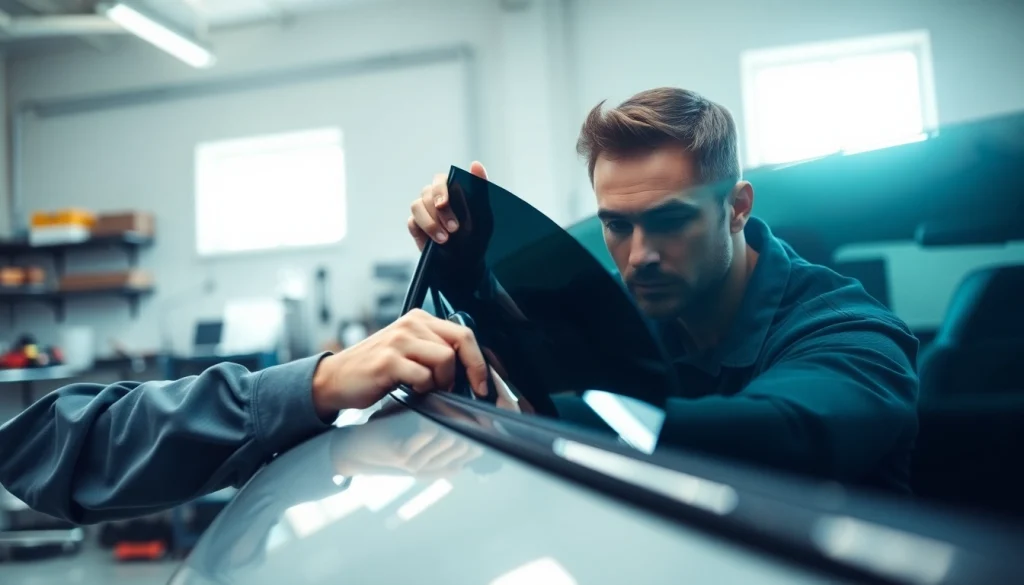
Auto window tint refers to a thin film composed of various materials, typically polyester, that is applied to the interior side of vehicle windows. Its primary purpose is to reduce glare, enhance privacy, and improve the aesthetic appeal of a vehicle. The film comes in various shades and types, allowing vehicle owners to customize their experience according to personal preference and local regulations.
Benefits of Auto Window Tint
Applying auto window tint provides a multitude of benefits that extend beyond mere aesthetics. These include:
- UV Protection: Window tint blocks up to 99% of harmful ultraviolet rays, greatly reducing the risk of skin cancer and protecting car interiors from fading.
- Heat Reduction: Tinted windows can lower the temperature inside the vehicle considerably, making for a more comfortable ride, especially in hot climates.
- Increased Privacy: Tinted windows deter prying eyes from viewing the interior of your car, providing a sense of security and privacy.
- Improved Safety: In the event of an accident, tinted windows can hold shattered glass fragments together, reducing the risk of cuts and injuries.
- Enhanced Appearance: A well-tinted car can appear more sleek and stylish, often increasing its overall value.
Types of Auto Window Tint
There are several types of window tints available, each offering distinct characteristics and benefits:
- Dye-based Tint: This affordable option uses dyes to achieve its color. While it can provide some UV protection, it typically fades over time.
- Metalized Tint: This type incorporates metallic particles, enhancing durability and providing better heat rejection, although it can interfere with electronic signals.
- Carbon Tint: Carbon window films offer a dark appearance without the reflective properties of metalized tints, providing excellent UV protection and heat rejection.
- Ceramic Tint: One of the most advanced options, ceramic tints utilize ceramic particles to block heat and UV rays without interfering with visibility or electronic signals.
- Hybrid Tint: This combines different film types to provide a balance between performance and aesthetics, often featuring a mix of dyed and metalized films.
Finding Auto Window Tint Near Me
Searching Online for Local Services
To find quality auto window tint services nearby, start with a simple online search for auto window tint near me. This will yield a list of local providers, their services, and customer reviews. Be sure to check maps for proximity to your location and compare different options based on the services offered, pricing, and customer ratings.
Evaluating Reviews and Ratings
Evaluating online reviews is crucial in choosing a service provider. Take the time to read testimonials from former customers, focusing on those that discuss their installation experience, quality of the tint, and customer service. Verify ratings on multiple platforms—Google, Yelp, and local automotive sites—to ensure you’re getting an accurate picture of the businesses you are considering.
Potential Costs Involved
The cost of auto window tint installation can vary significantly based on factors such as:
- Vehicle Type: Larger vehicles typically cost more to tint than smaller cars due to the increased surface area.
- Film Type: Higher-quality films like ceramic generally come with a higher price tag compared to dyed films.
- Labor Costs: These can differ between shops, so it’s worth obtaining multiple quotes for comparison.
On average, vehicle window tinting can range from $200 to $800, depending on these factors. It’s often a wise investment considering the benefits associated with proper installation and quality materials.
Choosing the Right Tint Fit for Your Vehicle
Factors to Consider
When selecting window tint for your vehicle, several factors come into play:
- Personal Preference: Consider your desired look and comfort level with privacy and sun exposure.
- Climate: In hotter climates, darker tints might be more beneficial in terms of heat reduction.
- Usage: If your vehicle is often used for family trips, consider a tint that balances privacy and visibility.
Legal Regulations for Window Tint
Every state has specific laws regarding the allowable level of tint on vehicle windows. It’s essential to be familiar with local regulations to avoid fines and ensure safety. This may include restrictions on tint darkness (measured by Visible Light Transmission percentage), which varies from state to state. Checking your local government’s department of motor vehicles (DMV) website can provide up-to-date legal information.
Popular Tint Shades and Their Effects
Tints come in various shades, each with unique features:
- Light Tint: Often perceived as aesthetically pleasing, it offers minimal heat rejection while providing some UV protection.
- Medium Tint: Balances privacy, aesthetic appeal, and light rejection, making it a popular choice among many drivers.
- Dark Tint: Offers maximum privacy and heat rejection but may pose challenges concerning legality and visibility during night driving.
The Installation Process of Window Tint
DIY vs. Professional Installation
While some enthusiasts may consider DIY window tint installation, hiring professionals is often the safest route. Professional installers have the tools, experience, and materials necessary for a flawless finish. Conversely, DIY methods may lead to bubbles and imperfect adhesion that can diminish the lifespan of the film.
What to Expect During Installation
The installation process generally follows these steps:
- Cleaning: Windows are thoroughly cleaned to remove dust, dirt, and grease.
- Measuring and Cutting: The film is accurately measured and cut to fit each window.
- Application: The film is applied using a solution that allows for repositioning without damage. Air bubbles are eliminated through careful smoothing.
- Drying: Post-application, the windows must be allowed to dry, usually taking a couple of days for optimal adhesion.
Post-Installation Maintenance Tips
To prolong the life of your new window tint:
- Avoid Cleaning: Don’t wash your car for at least a week post-installation, as this allows the film to set properly.
- Use Non-Abrasive Products: When cleaning, opt for gentle cleaners and soft cloths to avoid scratching the film.
- Monitor for Issues: Inspect your tint regularly for bubbling or peeling, which might indicate a poor installation.
FAQs about Auto Window Tint Near Me
How long does window tint last?
Quality window tint can last anywhere from 5 to 20 years, depending on the type of film and installation quality. Regular maintenance can help prolong its lifespan.
Can I wash my car after tinting?
It’s advisable to wait at least a week after installation before washing your car to allow the tint to cure properly. After that, use gentle methods to avoid damage.
Is it legal to tint my car’s windows?
Yes, but regulations vary by state regarding darkness and reflection levels. Research local laws to ensure compliance and avoid fines.
What are the signs of a bad tint installation?
Signs include bubbling, peeling, and a poor fit. If you notice these issues, consult the installer for repair options.
How do I choose the right tint level?
Your choice should balance personal preference, heat and UV protection, and legal restrictions. Test various shades on vehicles if possible to determine what suits you best.