Building Stronger Communities Through Active Participation
Understanding Community Dynamics
In an era characterized by rapid globalization and technological advancement, the concept of community has evolved significantly. It encompasses not only geographic locations but also a multitude of social interactions and shared interests. Understanding community dynamics is essential for fostering meaningful relationships and addressing societal challenges.
The Definition of Community in Modern Society
A community can be defined as a group of individuals who share common interests, values, or geographic locations. Modern society has expanded this definition to include various forms of communities, from local neighborhoods to online forums. Each type of community plays a crucial role in shaping individuals’ identities and experiences.
Research shows that the sense of belonging to a community can lead to enhanced mental health and well-being. According to a study published in the American Journal of Community Psychology, individuals with strong community ties report lower levels of stress and anxiety.
The Role of Social Capital in Community Building
Social capital refers to the networks, norms, and trust that facilitate coordination and cooperation among community members. It is a vital component of community building, as it fosters collaboration and strengthens relationships.
In communities with high social capital, residents are more likely to engage in civic activities and support local initiatives. For instance, a neighborhood with active community groups often sees higher participation rates in local elections and volunteer programs. This engagement can be further supported by:
- Establishing community centers that serve as hubs for social interactions.
- Encouraging local businesses to sponsor community events.
- Creating platforms for residents to share their skills and expertise.
Types of Communities: Geographic, Interest-based, and Virtual
Communities can be categorized into three main types: geographic, interest-based, and virtual. Each type serves unique purposes and offers different benefits.
Geographic communities are defined by physical boundaries, such as neighborhoods or towns. For example, a small town may have a tight-knit community where residents actively participate in local governance and events.
Interest-based communities unite individuals around shared hobbies or passions, such as book clubs or sports teams. These communities often foster personal connections and provide a sense of belonging.
Lastly, virtual communities have emerged with the rise of the internet. Platforms like Facebook, Reddit, and various online forums allow individuals to connect regardless of geographic location. Studies indicate that virtual communities can provide support and resources similar to traditional communities, often transcending physical limitations.
Social Structures and Their Impact
Social structures play a pivotal role in shaping community life and influencing interactions among individuals. Understanding these structures is crucial for addressing disparities and fostering inclusiveness.
The Influence of Social Institutions on Community Life
Social institutions, such as family, education, government, and religion, significantly impact community dynamics. These institutions establish norms and values that guide behavior and interactions within communities.
For example, educational institutions can serve as a cornerstone for community engagement. Schools often act as community hubs, providing resources and programs that benefit both students and residents. Research from the National Center for Education Statistics indicates that schools with strong community ties report higher student achievement and lower dropout rates.
Class, Race, and Gender Dynamics in Society
Class, race, and gender dynamics are critical factors in understanding community interactions. These elements can create divisions or foster unity, depending on how they are navigated within the community context.
For instance, socioeconomic disparities can lead to unequal access to resources, which in turn affects community cohesion. A study by the Pew Research Center found that communities with diverse racial and ethnic backgrounds often experience both challenges and benefits. While diversity can enhance innovation and creativity, it can also lead to misunderstandings and conflict if not managed properly.
Gender dynamics also play a role in shaping community identity. Women often engage in community-building activities differently than men, focusing on nurturing relationships and fostering collaboration. Acknowledging these differences can lead to more inclusive community initiatives.
How Social Movements Shape Community Identity
Social movements are powerful catalysts for change within communities. They can unite individuals around shared goals and create a collective identity that transcends individual differences.
For example, the Civil Rights Movement in the United States brought together individuals from various backgrounds to fight for racial equality. This movement not only changed laws but also transformed community identities, fostering a sense of solidarity and shared purpose among its participants.
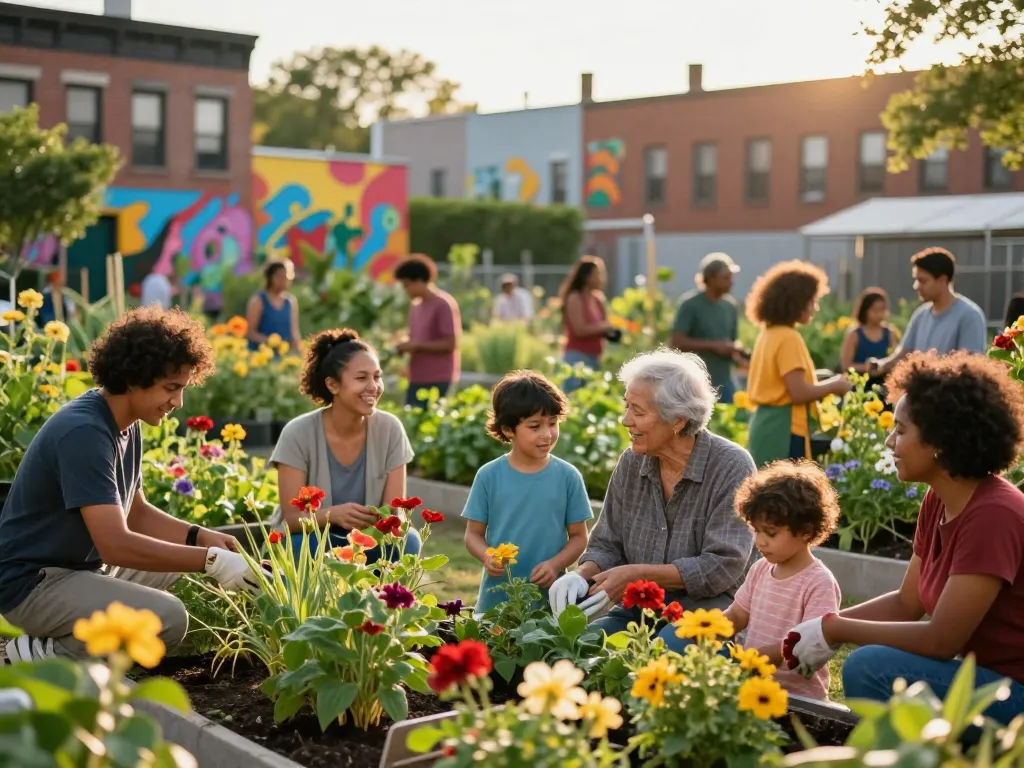
Another example is the environmental movement, which has mobilized communities worldwide to advocate for sustainable practices. Initiatives like community gardens and local recycling programs have emerged from these movements, demonstrating the potential for grassroots activism to reshape community norms and values.
Community Engagement and Participation
Active community engagement is essential for fostering strong, resilient communities. It empowers individuals and groups to participate in decision-making processes and contribute to the common good.
The Importance of Civic Engagement for Community Development
Civic engagement refers to the ways in which individuals participate in their communities, including voting, volunteering, and participating in local organizations. Research indicates that civic engagement is linked to improved community outcomes, such as reduced crime rates and enhanced economic development.
For example, a study by the National Conference on Citizenship found that communities with higher levels of civic engagement tend to have lower poverty rates and better educational outcomes. Engaged citizens are more likely to advocate for policies that address local issues, fostering a cycle of positive change.
Strategies for Encouraging Community Participation
Encouraging community participation requires intentional strategies that resonate with residents. Here are several effective approaches:
- Create Inclusive Platforms: Develop platforms that encourage diverse voices to be heard, such as town hall meetings or community forums.
- Leverage Technology: Utilize social media and online surveys to engage community members and gather feedback on local issues.
- Foster Leadership Development: Offer training programs to empower residents to take on leadership roles within their communities.
- Establish Incentives: Implement recognition programs that celebrate community involvement, such as awards for volunteers or grants for community projects.
Case Studies: Successful Community Engagement Initiatives
Several communities have successfully implemented initiatives that foster engagement and participation. One notable example is the “Neighborhood Watch” program in many U.S. cities, which encourages residents to collaborate with law enforcement to enhance community safety.
Another example is the “Participatory Budgeting” initiative in Porto Alegre, Brazil, which allows residents to directly decide how a portion of the municipal budget is spent. This initiative has increased civic engagement and improved public services, demonstrating the power of community-driven decision-making.
Challenges Facing Modern Communities
Despite the many benefits of community engagement, modern communities face numerous challenges that can hinder their development.
Addressing Social Inequality and Marginalization
Social inequality remains a significant barrier to community cohesion. Marginalized groups often lack access to resources, opportunities, and representation, leading to feelings of exclusion.
To address this issue, communities must actively work to create inclusive environments that prioritize equity. This can involve:
- Conducting needs assessments to identify the specific challenges faced by marginalized groups.
- Implementing policies that promote equitable access to resources, such as affordable housing and healthcare.
- Building partnerships with organizations that advocate for the rights of marginalized communities.
The Impact of Technology on Community Interaction
While technology has the potential to enhance community engagement, it can also create barriers to interaction. The rise of social media has transformed how individuals communicate, often leading to superficial connections rather than meaningful relationships.
Moreover, the digital divide can exacerbate inequalities, as individuals without access to technology may feel further marginalized. Communities must strive to balance the benefits of technology with efforts to maintain authentic, face-to-face interactions.
Environmental Challenges and Community Resilience
Environmental challenges, such as climate change and natural disasters, pose significant threats to community resilience. Communities must adapt to these challenges by fostering sustainability and preparedness.
For example, community gardens not only provide food security but also enhance biodiversity and strengthen social ties among residents. Additionally, implementing disaster preparedness programs can empower communities to respond effectively to environmental crises, promoting resilience and solidarity.
Future Trends in Community and Society
As society continues to evolve, several trends are emerging that will shape the future of communities and social interactions.
The Role of Digital Communities in Social Change
Digital communities are becoming increasingly influential in driving social change. Online movements, such as #MeToo and Black Lives Matter, have mobilized individuals across the globe to advocate for justice and equality.
These movements demonstrate the power of digital platforms to amplify voices and foster collective action. For communities, leveraging digital tools can enhance engagement and facilitate collaboration on pressing social issues.
Innovative Approaches to Urban Community Development
Urban areas are witnessing innovative approaches to community development, focusing on inclusivity and sustainability. Strategies such as “Tactical Urbanism” encourage temporary, community-driven projects that improve public spaces and foster engagement.
For instance, the “Park(ing) Day” initiative invites residents to transform parking spaces into temporary parks, promoting community interaction and creativity. These projects not only enhance urban environments but also empower residents to take ownership of their communities.
The Potential of Collaborative Governance in Building Stronger Communities
Collaborative governance models are gaining traction as a means to enhance community decision-making. By involving diverse stakeholders, including residents, businesses, and local governments, communities can foster transparency and accountability.
One successful example is the “Collaborative Governance Project” in the United States, which seeks to improve public services through collaborative decision-making. This approach has led to increased trust among community members and more effective solutions to local challenges.